
No products in the cart.
Why Do VGT Turbos Fail? Common Causes and Prevention Tips
Variable Geometry Turbos (VGTs) are widely used in modern diesel engines for their ability to optimize airflow and boost efficiency. However, due to their complexity and exposure to extreme operating conditions, they are prone to failure. Understanding the common reasons behind VGT turbo failures can help prevent costly repairs and extend the lifespan of your turbocharger.
Common Causes of VGT Turbo Failure
1. Carbon and Soot Buildup
Over time, carbon deposits from exhaust gases can accumulate on the variable vanes, causing them to stick or move improperly. This issue is particularly common in vehicles that experience excessive idling or poor combustion, as incomplete fuel burn leads to excessive soot production.
2. Oil Contamination and Coking
Using low-quality or dirty oil can lead to carbon buildup within the turbo’s bearings and seals. Additionally, high exhaust temperatures can cause oil to burn and harden inside the turbo, restricting oil flow and leading to premature failure.
3. Excessive Heat (Overheating)
High exhaust gas temperatures, often resulting from aggressive tuning, prolonged heavy loads, or inefficient cooling systems, can damage the turbo’s internal components. Excessive heat can warp or crack the vanes, reducing performance and eventually causing failure.
4. Actuator Failure
The actuator is responsible for controlling the movement of the turbo’s vanes. Over time, the electronic or pneumatic actuator can fail due to electrical malfunctions, vacuum leaks, or mechanical wear, leading to poor turbo performance.
5. Foreign Object Damage (FOD)
Debris entering the intake or exhaust system can damage the turbine or compressor wheels. A failing air filter may allow dust or dirt to enter, eroding the compressor blades and reducing efficiency.
6. Boost Control Issues
Faulty sensors, boost leaks, or incorrect tuning can result in overboost or underboost conditions, placing excessive stress on the turbo. This can lead to erratic performance, increased wear, and eventual failure.
7. Poor Lubrication (Oil Starvation)
Insufficient oil supply due to clogged oil lines, a failing oil pump, or incorrect oil viscosity can cause bearing failure. Proper lubrication is essential to reduce friction and heat within the turbo.
8. Excessive Exhaust Backpressure
A clogged Diesel Particulate Filter (DPF) or catalytic converter can restrict exhaust flow, forcing additional pressure on the turbo. This increased stress can lead to overheating and reduced efficiency.
9. Aggressive Driving and Rapid Shutdowns
Frequent hard acceleration and abrupt engine shutdowns without a cooldown period can cause thermal shock and oil coking. Allowing the engine to idle for a short period before shutting down helps the turbo cool down gradually.
10. Age and Wear
Like any mechanical component, VGT turbos degrade over time. Continuous exposure to high temperatures and stress gradually reduces the efficiency of the variable vanes, leading to performance issues and eventual failure.
How to Prevent VGT Turbo Failures
To extend the lifespan of your VGT turbo and minimize the risk of failure, follow these best practices:
- Use High-Quality Engine Oil: Regularly change the oil using the manufacturer-recommended grade to prevent contamination and coking.
- Avoid Excessive Idling: Idling for long periods contributes to soot buildup and carbon deposits in the turbo.
- Perform Routine Maintenance: Regularly inspect and replace air filters, oil filters, and check for any leaks or blockages in the turbo system.
- Allow Proper Cool-Down Time: Before shutting off the engine, let it idle for at least 30 seconds to allow the turbo to cool gradually.
- Monitor Actuator and Sensors: Ensure the actuator and associated sensors are in good working condition to maintain optimal turbo performance.
- Check for Boost Leaks: Inspect intercooler pipes, clamps, and hoses to ensure there are no leaks affecting turbo efficiency.
Final Thoughts
VGT turbos offer excellent performance benefits but require proper care and maintenance to avoid premature failure. By understanding the common causes of turbo failure and implementing preventative measures, you can maximize your turbo’s lifespan and keep your engine running smoothly.
If you’re experiencing turbo issues or need high-quality replacement parts, be sure to source them from trusted suppliers to ensure reliability and performance. Regular maintenance and good driving habits will go a long way in preventing costly turbo failures.
Popular Post

CAT C15 Cylinder Head Torque Sequence – Complete Guide for Rebuilds & Repairs
The CAT C15 cylinder head torque sequence is one o...

How Regular Cylinder Head Maintenance Saves Thousands
The diesel cylinder head is one of the most critic...

Caterpillar Gold vs. Platinum Overhaul Kits
Caterpillar Gold vs. Platinum Overhaul Kits Comple...
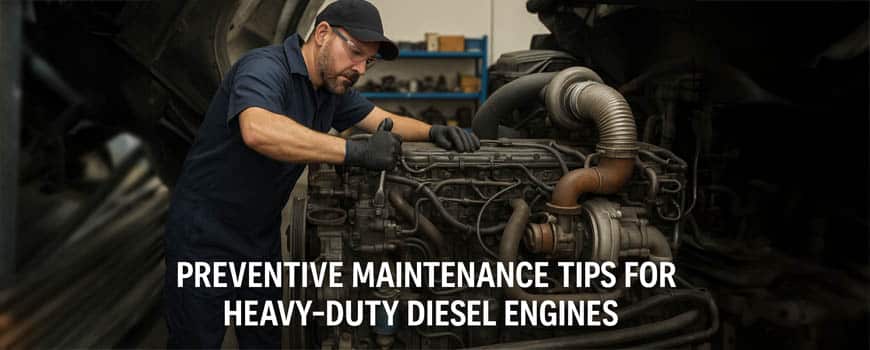
Preventive Maintenance Tips for Heavy-Duty Diesel Engines
Heavy-duty diesel engines are built to endure — ...

Leave a Comment