
No products in the cart.
Understanding Anti-Polishing Rings (APR) in Cummins ISX Engines: Function, Benefits, and Installation

What Is an Anti-Polishing Ring (APR)?
An Anti-Polishing Ring (APR)—also known by various names such as:
-
Carbon scraper ring
-
Piston cleaning ring
-
Bore polishing ring
—is a precision-engineered ring inserted at the top of a diesel engine’s cylinder liner. In Cummins ISX engines, this ring is placed in an anti-bore groove near the top of the liner and is slightly recessed into the liner wall.
This component is designed to scrape carbon deposits off the piston’s top land, which is the area most exposed to combustion gases and soot buildup. By maintaining cleaner pistons, APRs help extend engine life and improve overall performance.
How Does an Anti-Polishing Ring Work?
Inside the Cummins ISX cylinder liner, the APR protrudes minutely into the combustion chamber. As the piston moves up and down, the top land passes closely by this ring. This tight clearance ensures:
-
Direct contact between the piston and the APR
-
Scraping action that removes carbon before it hardens
-
Reduced risk of carbon bridging and carbon packing
Since the ring keeps the piston’s top land clean, it prevents abrasive carbon from damaging the bore’s surface.
Why Was the APR Developed?
The APR was engineered to combat bore polishing, a condition where accumulated carbon wears down the peaks of the cylinder wall’s honed surface. This condition flattens the crosshatch pattern essential for retaining oil and ensuring optimal piston ring sealing.
Benefits of Anti-Polishing Rings in Diesel Engines
-
Reduces Bore Polishing:
-
Maintains proper surface roughness (RA, RZ, and RVK values).
-
Preserves oil retention capacity in cylinder liners.
-
-
Improves Oil Control:
-
Minimizes excessive oil consumption caused by worn or polished bores.
-
-
Prevents DPF Overloading:
-
Cleaner combustion and reduced oil burning contribute to fewer regeneration cycles.
-
-
Extends Component Life:
-
Reduces wear on piston rings, liners, and turbo actuators (like VGT).
-
-
Decreases Maintenance Costs:
-
Prevents premature liner replacements and reduces downtime.
-
Cummins ISX Anti-Polishing Ring Compatibility
If your Cummins ISX engine shows signs of heavy bore polishing or oil consumption, upgrading to APR-style liners is highly recommended. However, compatibility is crucial:
✅ APR Liners Must Be Used With:
-
Closed window pistons
-
Reduced diameter pistons
-
Low top ring pistons
❌ APR Liners Are Not Compatible With:
-
Open skirt pistons
-
High top ring pistons
Other Requirements:
-
All 6 liners must be upgraded together.
-
Use new liner shims during installation.
-
Matching pistons and rings are essential to avoid premature wear.
? Pro Tip: The safest way to upgrade is by purchasing a complete engine rebuild kit configured for APR compatibility.
APR Piston Installation Tips
Installing pistons in engines with APR liners follows a slightly different procedure:
-
Remove the APR insert (can often be done by hand; otherwise, use a snap ring tool).
-
Install the piston from the bottom of the liner.
-
OR, install the piston first and install the APR afterward from the top.
-
Use a special piston ring compressor adapter for safe installation without damaging rings or scuffing the APR.
This method prevents damage to the piston rings or misalignment of the APR ring.
Signs You May Need APR Liners in Your Cummins ISX
-
Frequent oil top-offs between services
-
DPF regeneration cycles happening too often
-
Plugged oil filters or rising oil filter delta pressure
-
Sticky or failing VGT actuators
-
Visible piston carbon buildup during overhaul
FAQs About Anti-Polishing Rings in Cummins ISX
Q1: Can I install APR liners with my current pistons?
A: Not unless your pistons meet APR compatibility requirements (low top ring, reduced diameter, closed window). Otherwise, piston-to-liner damage may occur.
Q2: What is the main purpose of the APR?
A: To remove carbon buildup from the piston’s top land, preventing bore polishing and oil control issues.
Q3: How much does APR reduce oil consumption?
A: While exact figures vary, Cummins field data indicates noticeable oil consumption improvements, especially in engines with previous bore polishing.
Q4: Can I buy individual APR liners or should I get a kit?
A: It’s safer and more cost-effective to buy a complete rebuild kit tailored for APR compatibility. Mixing APR and non-APR liners is not recommended.
Q5: Will APR help if my engine already has heavy bore polishing?
A: Yes. If damage isn’t too severe, replacing liners with APR versions can stop further polishing and improve combustion cleanliness.
Final Thoughts
Anti-polishing rings are one of the smartest updates in Cummins ISX engine design. By keeping carbon in check, they safeguard the cylinder walls, reduce maintenance costs, and ensure longer engine life. If you’re considering a rebuild or seeing the signs of carbon-related wear, upgrading to APR-style components is a highly recommended solution.
Popular Post

CAT C15 Cylinder Head Torque Sequence – Complete Guide for Rebuilds & Repairs
The CAT C15 cylinder head torque sequence is one o...

How Regular Cylinder Head Maintenance Saves Thousands
The diesel cylinder head is one of the most critic...

Caterpillar Gold vs. Platinum Overhaul Kits
Caterpillar Gold vs. Platinum Overhaul Kits Comple...
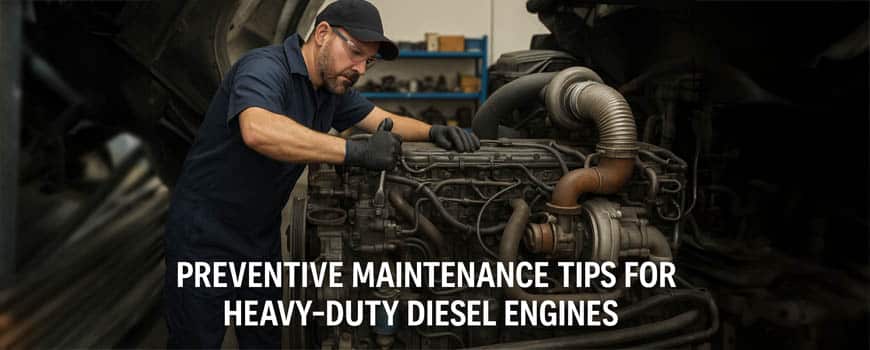
Preventive Maintenance Tips for Heavy-Duty Diesel Engines
Heavy-duty diesel engines are built to endure — ...