
No products in the cart.
Common Causes of Diesel EGR Cooler Failure and How to Prevent Costly Damage

In modern diesel engines, the Exhaust Gas Recirculation (EGR) cooler is one of the most critical components for reducing emissions and keeping engines compliant with environmental standards. It cools exhaust gases before they are recirculated into the intake system — a process essential for lowering nitrogen oxide (NOx) emissions. However, because of the extreme heat, pressure, and soot exposure, the EGR cooler is also one of the most failure-prone parts in the diesel emission system.
When the EGR cooler fails, it can lead to coolant loss, white exhaust smoke, or even catastrophic engine damage. Understanding why EGR coolers fail, what symptoms to look for, and how to prevent failure can save fleets and owner-operators thousands of dollars in downtime and repairs. Let’s explore how the EGR system works, why it fails, and how you can keep it running efficiently.
How the Diesel EGR System Works
The EGR system is designed to reduce combustion temperatures by reintroducing a portion of the engine’s exhaust gases back into the intake manifold. Since exhaust gases contain less oxygen, mixing them with intake air lowers the combustion temperature — which in turn reduces the formation of harmful NOx emissions.
The EGR cooler plays a vital role in this process. As hot exhaust gases flow through the cooler’s internal passages, engine coolant absorbs heat, lowering the gas temperature before it returns to the intake. By keeping exhaust temperatures under control, the cooler helps maintain engine performance, prevents detonation, and ensures compliance with emission regulations.
How an EGR Cooler Works — Step by Step
- Exhaust gases leave the engine manifold at high temperature.
- The EGR valve directs a portion of these gases into the EGR cooler.
- Inside the cooler, coolant flows through narrow tubes or fins, absorbing heat from the exhaust gases.
- The cooled gases exit the EGR cooler and re-enter the intake manifold to mix with fresh air.
- This mixture lowers combustion temperatures, reducing NOx emissions and improving emission control efficiency.
However, this process exposes the EGR cooler to constant thermal cycling and soot contamination — both of which eventually take their toll.
Major Causes of Diesel EGR Cooler Failure
1. Coolant Contamination
Dirty, corroded, or improperly mixed coolant is the most common cause of EGR cooler failure. Contaminants clog internal passages, reducing coolant flow and causing localized overheating. Over time, corrosion eats away at the metal tubing, leading to internal leaks or coolant intrusion into the exhaust stream.
Always use manufacturer-approved coolant with the correct additive package and flush the system regularly. Mixing incompatible coolants can create gel-like deposits that restrict flow and reduce cooling efficiency.
2. Excessive Soot and Carbon Buildup
Diesel combustion naturally produces soot, but poor injector performance or faulty EGR valves can cause excessive carbon accumulation. As soot builds up inside the cooler, it blocks airflow and traps heat. This creates uneven temperature distribution and hot spots that eventually crack or warp the cooler core.
Routine EGR valve cleaning and injector inspection can dramatically reduce soot buildup, extending the cooler’s life.
3. Thermal Stress and Metal Fatigue
Each time the engine warms up and cools down, the EGR cooler expands and contracts. These constant heat cycles cause micro-cracks that can grow over time. Engines frequently exposed to heavy loads or extended idling experience even more thermal cycling, accelerating fatigue and eventual cracking of the cooler core or housing.
4. Poor Cooling System Maintenance
Failing to replace coolant at the recommended intervals or using low-quality additives leads to corrosion and scale buildup inside the cooler. Even small deposits can restrict flow and reduce heat transfer, forcing the cooler to operate hotter than intended. Eventually, this stress causes cracks or coolant leaks.
5. Engine Overheating or Combustion Problems
Engines that run hotter than normal — due to boost leaks, faulty thermostats, or over-fueling — increase exhaust gas temperatures. This extra heat directly impacts the EGR cooler, shortening its lifespan dramatically. Addressing underlying overheating issues is crucial before replacing a failed cooler; otherwise, the new part will fail prematurely as well.
Early Warning Signs of a Failing EGR Cooler
Because the EGR cooler is buried deep within the engine, failures can be difficult to spot until major symptoms appear. Here are the most common signs to watch for:
- White Exhaust Smoke: Indicates coolant is leaking into the intake or exhaust stream.
- Unexplained Coolant Loss: Coolant disappears without visible leaks due to internal cooler failure.
- Check Engine Light: EGR flow codes (P0401, P0402, etc.) triggered by restricted flow.
- Engine Overheating: Blocked cooler passages prevent proper heat transfer.
- Coolant Smell in Exhaust: A distinct sweet odor points to coolant vapor entering the exhaust system.
How Technicians Diagnose EGR Cooler Failure
Proper diagnosis is key before replacing an EGR cooler. Technicians typically perform several tests to confirm internal failure:
- Pressure Testing: Pressurizing the cooling system to check for leaks into the exhaust path.
- Smoke or Block Testing: Detects cracks or coolant vapor in the exhaust stream.
- Coolant Flow Test: Ensures coolant can freely pass through the cooler without restriction.
- Combustion Gas Detection: Identifies exhaust gases entering the cooling system, a classic sign of cooler cracking.
Preventing Diesel EGR Cooler Failure
Preventive maintenance is the key to long EGR cooler life. Following these steps can dramatically reduce failure rates:
- Flush coolant regularly and maintain a 50/50 mixture using OEM-approved formulas.
- Inspect and clean the EGR valve and passages during scheduled maintenance.
- Replace thermostats and pressure caps when showing wear or corrosion.
- Check injectors and turbochargers for proper operation to prevent overheating.
- Use high-quality OEM-spec EGR coolers during replacements.
EGR Delete vs. OEM EGR Cooler — Understanding the Difference
There’s a lot of talk in the diesel community about EGR delete kits. While EGR delete modifications may seem appealing for performance or maintenance reasons, they are not legal for highway or emissions-regulated vehicles. Deleting or bypassing the EGR system disables essential emissions controls, resulting in non-compliance with EPA standards and potential fines.
At Heavy Duty Kits, we only supply and recommend OEM-compliant EGR coolers that meet or exceed factory specifications. These components maintain emissions compliance, protect the engine from excessive temperatures, and deliver dependable long-term performance. For fleets operating under DOT or CARB oversight, keeping your EGR system intact is essential for both performance and legal compliance.
Consequences of Ignoring a Failing EGR Cooler
Operating a diesel engine with a failing EGR cooler can have catastrophic results. As coolant leaks into the exhaust or intake, it can cause hydro-lock (liquid entering the combustion chamber), warped cylinder heads, or damaged turbochargers. Continued operation with these conditions risks total engine failure.
- Coolant in Cylinders: Causes white smoke and can hydrolock pistons.
- Warped Cylinder Head: Overheating distorts sealing surfaces, leading to head gasket failure.
- Turbo Damage: Coolant entering exhaust flow can crack turbine housings.
- Emission Failures: Faulty EGR systems trigger check-engine lights and inspection failures.
Rebuild or Replace? What’s Best for EGR Coolers
Unlike simple gaskets or sensors, EGR coolers are complex heat exchangers. Once a cooler cracks or clogs, replacement is almost always the better option. Rebuilding or cleaning may provide temporary relief, but it rarely restores full flow or integrity. For long-term reliability, a new, OEM-spec EGR cooler is the safest investment.
Why Choose Heavy Duty Kits for Diesel EGR Coolers
Heavy Duty Kits supplies premium-quality EGR coolers, gaskets, and related components for major diesel engines including Cummins, Caterpillar, Detroit, Volvo, and Isuzu. Every EGR cooler we offer is engineered to handle high thermal loads and resist soot corrosion — ensuring long-lasting performance and compliance.
- OEM-level fit and performance
- Corrosion-resistant stainless steel construction
- Pressure-tested for leak-free reliability
- Compatible with standard cooling systems and gaskets
Explore our selection of diesel EGR coolers for heavy-duty engines and keep your fleet running strong, efficient, and compliant.
FAQs
What causes EGR coolers to fail?
The most common causes are coolant contamination, soot buildup, and thermal fatigue. Regular coolant maintenance and proper EGR valve function are key to preventing failure.
Can a bad EGR cooler cause white smoke?
Yes. A leaking EGR cooler can allow coolant into the intake or exhaust system, producing white exhaust smoke that smells like coolant.
How long does a diesel EGR cooler last?
A properly maintained EGR cooler can last over 300,000 miles. Routine coolant flushes and injector maintenance are key to achieving that lifespan.
Should I delete my EGR system?
No. EGR deletes are not legal for on-road use and can result in fines or failed emissions inspections. Use OEM-compliant EGR coolers to stay within EPA guidelines and protect your engine.
Contact Heavy Duty Kits
For OEM-quality diesel EGR coolers, gaskets, and overhaul components, visit HeavyDutyKits.com
📞 888-642-6460 | ✉️ ac@heavydutykits.com
Popular Post

CAT C15 Cylinder Head Torque Sequence – Complete Guide for Rebuilds & Repairs
The CAT C15 cylinder head torque sequence is one o...

How Regular Cylinder Head Maintenance Saves Thousands
The diesel cylinder head is one of the most critic...

Caterpillar Gold vs. Platinum Overhaul Kits
Caterpillar Gold vs. Platinum Overhaul Kits Comple...
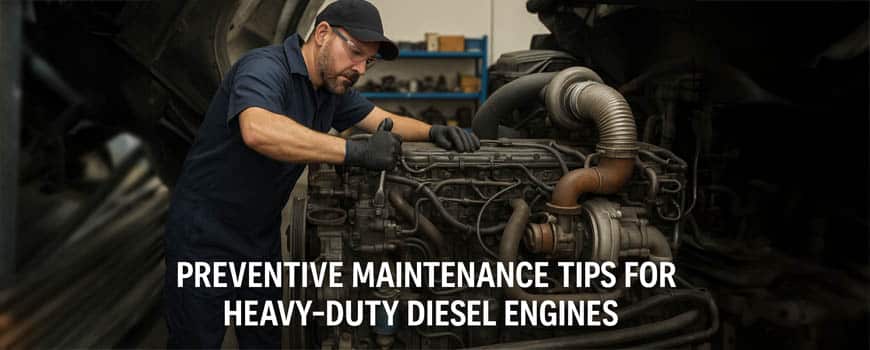
Preventive Maintenance Tips for Heavy-Duty Diesel Engines
Heavy-duty diesel engines are built to endure — ...