
No products in the cart.
How a Diesel Engine Oil Cooler Works and Why It’s Essential

In the world of heavy-duty diesel engines, few components are as overlooked yet critical as the diesel engine oil cooler. Whether you drive a highway hauler, operate construction equipment, or maintain a fleet of vocational trucks, keeping your engine oil at the correct temperature is essential for performance and longevity. An oil cooler ensures your engine can withstand punishing conditions, from steep grades to long hours under heavy load. Without it, your diesel powerplant risks overheating, premature wear, and even catastrophic failure.
Why Oil Cooling Matters in Diesel Engines
Diesel engines are designed to run hot and work hard. Their combustion temperatures can reach over 2,000°F, and engine oil doesn’t just lubricate—it also acts as a secondary cooling medium. When oil gets too hot, its viscosity thins, additives break down, and its ability to protect moving parts disappears. That’s where an oil cooler steps in. By controlling oil temperature, the cooler ensures stable lubrication, reliable efficiency, and protection against heat-induced breakdowns.
What Does a Diesel Engine Oil Cooler Do?
At its core, the oil cooler functions as a heat exchanger. Hot oil leaves the engine and enters the cooler, where heat is removed before the oil returns to lubricate critical components. Depending on the design, the cooler may transfer heat into engine coolant or directly into the surrounding air. This constant regulation keeps oil within the optimal temperature range—typically between 180°F and 210°F.
- Maintains Optimal Viscosity: Oil that is too thin fails to lubricate properly; oil that is too thick circulates poorly. The cooler keeps viscosity balanced.
- Improves Efficiency: Stable oil temperature means bearings, pistons, and turbochargers remain properly lubricated under load.
- Protects Components: Prevents damage to crankshafts, camshafts, lifters, and cylinder walls.
- Extends Oil Life: By preventing overheating, oil lasts longer before it oxidizes or forms sludge.
Types of Diesel Oil Coolers
Not all coolers are created equal. Heavy-duty applications require designs suited to specific operating conditions:
1. Air-to-Oil Coolers
These systems use ambient airflow across finned plates or tubes to dissipate heat. They are often mounted at the front of trucks or on equipment exposed to steady airflow. Air-to-oil coolers are rugged and simple, ideal for off-road applications and agricultural equipment.
2. Water-to-Oil Coolers
Common in highway diesel engines like Cummins ISX, Caterpillar C15, and Detroit Series 60, these coolers transfer oil heat into the engine coolant. The coolant then releases the heat through the radiator. This integrated design is compact and efficient, especially under high loads and long hauls.
3. Stacked Plate Designs
High-performance or heavy-duty fleet trucks often rely on stacked plate oil coolers. These units pack maximum surface area into a compact footprint, ensuring rapid and effective heat transfer. They are highly durable and built to handle extreme pressure and flow rates.
Real-World Case Example: Highway Trucking
Consider a Class 8 truck hauling 80,000 lbs across the Rocky Mountains. Without an effective oil cooler, oil temperatures could exceed 300°F. At this point, oil thins, bearings lose lubrication, and turbochargers risk failure. A properly functioning cooler maintains safe temperatures, preventing breakdowns that could cost thousands in repairs and downtime.
Signs of a Failing Diesel Oil Cooler
Like all engine components, oil coolers are subject to wear, corrosion, and contamination. Recognizing early warning signs can prevent major damage:
- Milky or foamy oil: Indicates coolant mixing with engine oil due to a cracked cooler.
- Overheating: Oil temperatures rise, leading to reduced efficiency and possible engine shutdowns.
- Low or fluctuating oil pressure: Blocked passages or leaks reduce oil flow.
- Visible leaks: Oil seeping around cooler housing or fittings is a red flag.
- Excessive white smoke: Coolant contamination can create steam and smoke during combustion.
Common Causes of Oil Cooler Failure
Understanding what leads to oil cooler damage helps owners take preventative measures:
- Poor Coolant Maintenance: Corrosion builds when coolant isn’t changed regularly, eating through cooler walls.
- Clogged Passages: Rust, scale, or sludge can block coolant or oil flow.
- Physical Damage: Road debris, vibration, or improper installation can crack cooler cores.
- Sludge Formation: Infrequent oil changes allow deposits to accumulate, reducing cooling efficiency.
- Excessive Heat Cycles: Engines running consistently hot weaken seals and gaskets over time.
Preventing Oil Cooler Problems
Proactive maintenance ensures your oil cooler performs reliably for years:
- Flush your cooling system every 12–24 months to prevent corrosion and scaling.
- Use only OEM-recommended coolant and heavy-duty engine oil.
- Inspect seals and gaskets during routine service intervals.
- Replace leaking or clogged coolers immediately—delaying can risk a full engine rebuild.
- Pair oil cooler maintenance with oil analysis to detect early contamination signs.
Heavy Duty Kits: Your Source for Reliable Oil Coolers
At Heavy Duty Kits, we specialize in supplying OE-quality diesel engine oil coolers and complete gasket kits designed for maximum durability. Our inventory covers leading engines including Cummins ISX, Caterpillar C15, Detroit Diesel, Volvo D13, and many more. We understand that downtime is costly, which is why our products are engineered for reliability and backed by industry expertise.
Frequently Asked Questions (Voice Search Optimized)
What does a diesel engine oil cooler do?
It regulates oil temperature by transferring heat into coolant or airflow, preventing overheating and protecting engine components.
What are the signs of a bad diesel oil cooler?
Coolant in oil, low or fluctuating oil pressure, overheating under load, visible leaks, and excessive white smoke are the most common symptoms.
How often should a diesel engine oil cooler be replaced?
With proper maintenance, oil coolers can last 150,000–250,000 miles. Replace immediately if you see contamination, leaks, or cooling issues.
Can I drive with a bad oil cooler?
No. Driving with a failing oil cooler risks coolant-oil contamination, bearing damage, and catastrophic engine failure. Replace it before further damage occurs.
What engines use water-to-oil coolers?
Highway engines like Cummins ISX, Caterpillar C15, Detroit Series 60, and Volvo D13 often rely on water-to-oil cooler designs.
Final Thoughts
The diesel engine oil cooler may not get as much attention as turbos, injectors, or cylinder heads, but its role is equally important. It safeguards your oil, protects engine components, and ensures your diesel runs efficiently under the most demanding conditions. By understanding how oil coolers work, recognizing failure symptoms, and practicing preventative maintenance, you can extend the life of your heavy-duty engine and avoid costly breakdowns. For fleet managers and owner-operators alike, investing in a quality oil cooler from Heavy Duty Kits means investing in long-term reliability.
Popular Post

CAT C15 Cylinder Head Torque Sequence – Complete Guide for Rebuilds & Repairs
The CAT C15 cylinder head torque sequence is one o...

How Regular Cylinder Head Maintenance Saves Thousands
The diesel cylinder head is one of the most critic...

Caterpillar Gold vs. Platinum Overhaul Kits
Caterpillar Gold vs. Platinum Overhaul Kits Comple...
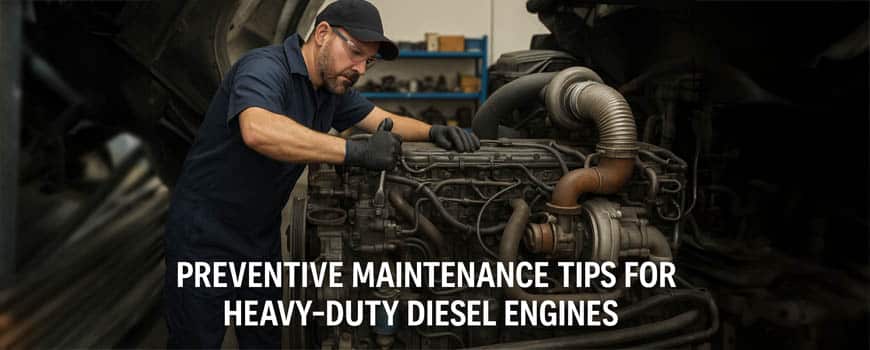
Preventive Maintenance Tips for Heavy-Duty Diesel Engines
Heavy-duty diesel engines are built to endure — ...