
No products in the cart.
Diesel Camshaft Failure Symptoms and What to Do About It

The camshaft is one of the most vital components of any diesel engine. It controls the timing and movement of the engine’s valves, playing a key role in air intake, combustion, and exhaust. When the camshaft begins to fail, the consequences can be severe—ranging from reduced performance to complete engine failure.
In this guide, we’ll walk you through the most common symptoms of camshaft failure, what causes it, and what steps you should take to fix it before more damage occurs.
What Does a Camshaft Do in a Diesel Engine?
In a diesel engine, the camshaft opens and closes the intake and exhaust valves in sync with the crankshaft. It ensures each cylinder receives the proper amount of air and expels exhaust at the right time. In modern engines, this must happen with precise timing—any deviation can throw off the combustion cycle.
Common Symptoms of Camshaft Failure in Diesel Engines
If your camshaft is wearing out or damaged, you may notice these warning signs:
1. Tapping or Ticking Noise from the Engine
Unusual top-end noises are often the first sign of camshaft wear. This can occur when cam lobes or lifters become worn, causing improper valve movement.
2. Misfiring or Poor Combustion
Worn camshaft lobes can prevent valves from opening fully, reducing airflow. This leads to incomplete combustion, engine misfires, and rough idling.
3. Loss of Power or Poor Acceleration
If valves don’t open at the right time, performance drops dramatically. You may feel reduced torque, slower throttle response, and overall sluggishness.
4. Excessive Smoke from Exhaust
Improper combustion or valve timing issues often result in black or white exhaust smoke, which is a red flag for deeper engine problems.
5. Check Engine Light or Diagnostic Trouble Codes (DTCs)
Modern ECMs detect timing and valve actuation problems. Common DTCs linked to camshaft issues include P0011, P0014, P0340, and P0344.
6. Metal Shavings in the Oil
If your camshaft is failing internally, it may begin shedding metal particles into the oil. Always check your oil filter or drain plug for metallic debris.
What Causes Camshaft Wear or Failure?
Camshaft failure is often the result of one or more of the following issues:
-
Insufficient Lubrication – Low oil pressure or poor oil quality leads to excessive friction between the cam lobes and lifters.
-
Improper Valve Lash Adjustment – Excessive clearance can increase impact force on cam lobes.
-
Using the Wrong Engine Oil – Diesel engines require high-detergent oils with proper viscosity for camshaft protection.
-
Debris in Oil Passages – Contaminants can block oil flow to cam journals and lobes.
-
Overloading or Overrevving – Driving beyond RPM limits can stress cam components beyond their tolerance.
How to Fix a Failing Camshaft
If you’re experiencing one or more of the symptoms above, immediate action is essential:
Step 1: Run a Diagnostic Scan
Use an ECM reader or diagnostic tool to check for camshaft position sensor issues or valve timing codes.
Step 2: Inspect the Valve Train
Remove the valve cover and inspect the rocker arms, lifters, and camshaft lobes for uneven wear or scoring.
Step 3: Drain the Oil and Check for Metal
If you find significant metallic debris, it may indicate the camshaft or other components are deteriorating internally.
Step 4: Replace the Camshaft and Affected Components
If damage is confirmed, replace the camshaft along with lifters and bearings. Replacing these together ensures proper break-in and prevents future failure.
Shop replacement camshafts for your diesel engine:
Preventing Camshaft Failure: Pro Tips
-
Change your oil at recommended intervals using OEM-specified oil grades.
-
Use high-quality filters to keep contaminants out.
-
Regularly inspect and adjust valve lash on overhead engines.
-
Use reputable rebuild kits when overhauling to avoid mismatched lifters or cheap cam cores.
-
If rebuilding, follow proper camshaft break-in procedures to ensure long life.
When to Replace vs Regrind a Camshaft
In some cases, minor wear may allow for cam regrinding. However, in heavy-duty diesel engines, replacement is often the safer, more reliable solution—especially when performance and longevity are critical.
Final Thoughts
A failing camshaft is not just a minor issue—it’s a ticking time bomb for your diesel engine. By catching symptoms early and choosing quality replacement parts, you can avoid costly downtime and extend the life of your equipment.
If you’re looking for OE-quality or upgraded diesel camshafts, trust HDKits to deliver precision-machined parts backed by technical support and industry expertise.
Popular Post

CAT C15 Cylinder Head Torque Sequence – Complete Guide for Rebuilds & Repairs
The CAT C15 cylinder head torque sequence is one o...

How Regular Cylinder Head Maintenance Saves Thousands
The diesel cylinder head is one of the most critic...

Caterpillar Gold vs. Platinum Overhaul Kits
Caterpillar Gold vs. Platinum Overhaul Kits Comple...
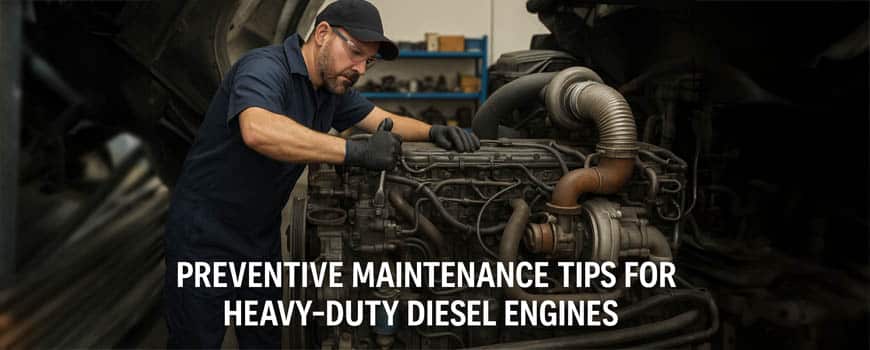
Preventive Maintenance Tips for Heavy-Duty Diesel Engines
Heavy-duty diesel engines are built to endure — ...

Leave a Comment